 Selfless
My name is Selfless. I am runing a company which focus on online game products and services.
Read This
THE BEST RS NEWS WEBSITE
Summary
College Football 27 is shaping up to be a major shift in how football gameplay actually works. If you've been playing College Football 25 or 26, there's a good chance some of your go-to "money plays" and abuse strategies are about to get significantly weaker—or completely shut down.
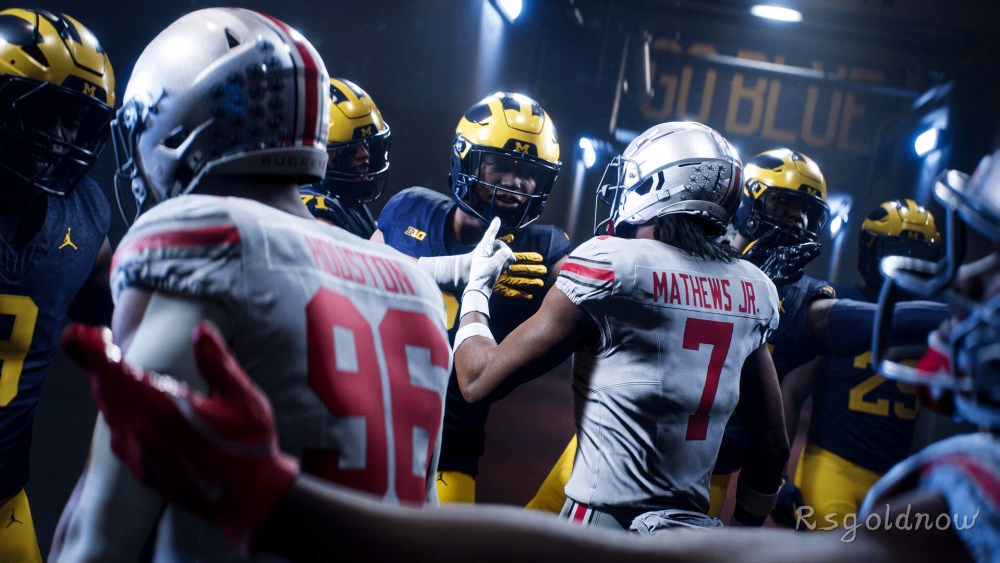
EA's goal this year is simple: force players to actually read defenses, make real football decisions, and stop relying on broken mechanics like scrambling forever, spam plays, or mindless coverage cheese.Having plenty of CUT 26 Coins can also be a great help to you.
After early gameplay testing and reviewing the new systems, here are the five biggest strategies that are expected to fall off hard in College Football 27—and how you'll need to adapt.
1. Rollout Cheese Is Getting Shut Down
One of the most frustrating mechanics in recent EA football games has been the rollout scramble.
In previous games, you could:
Drop back
Roll 15–20 yards outside the pocket
Wait for coverage to break down
Hit a receiver after 6–8 seconds of chaos
This style of offense often ignores defensive structure completely. Even perfect coverage could break down simply because the quarterback extended the play forever.
What's changing in CFB 27
EA has introduced major defensive improvements:
Plaster logic upgrades
Smarter zone defenders
Match coverage improvements
Aggressive coaching adjustments
Now, when a play breaks down, defenders are far less likely to "guard grass" and instead actively match onto nearby receivers.
What this means in practice
Instead of sitting in empty zones while the QB scrambles, defenders will:
Transition into man-like coverage
Attach to nearby threats
React faster to broken plays
How you should adjust
You can still scramble occasionally, but you can no longer rely on "waiting out coverage." You'll need to:
Get rid of the ball faster
Use structured pocket movement
Actually read coverage instead of freelancing every play
2. Quick Snapping Spam Gets Harder to Abuse
Quick snapping has always been a way to catch defenses off guard before they finish adjustments.
But in College Football 27, the problem isn't just quick snapping—it's how long defenses take to set up.
What's new this year
EA added custom adjustment presets, allowing players to:
Pre-load defensive looks
Save adjustment packages
Instantly apply coverage and blitz setups
With just a couple of inputs, defenses can now:
Switch coverages instantly
Adjust to formations pre-snap
Set aggressive or conservative behavior on the fly
Why this matters
Previously, offenses could rush to the line and snap the ball before the defense was ready.
Now:
Defenses can respond just as fast
Pre-set adjustments remove setup delay
The "panic advantage" of quick snapping is reduced
How to adapt
Instead of relying on speed:
Focus on reading defensive presets
Learn formation tendencies
Expect pre-configured counter-looks
Quick snapping still exists—but it's no longer a guaranteed advantage.
3. Spamming the Same Plays Over and Over Is Much Less Effective
In past titles, many players could win games by repeating 1–2 plays:
Bunch corner routes
Trips cross concepts
One money blitz beater
If the opponent didn't know the exact counter, they often couldn't stop it consistently.
What EA changed
Defensive AI has been significantly upgraded:
Smarter coverage recognition
Better formation-specific adjustments
Improved route concept awareness
Coaching adjustments that target popular metas
What this means
If you try to spam the same play repeatedly:
Defenses will start auto-adjusting
Coverage will tighten over time
Pre-snap recognition becomes more impactful
How to adjust
You'll need to:
Build a real playbook, not just a few plays
Mix formations and route concepts
Use motion and disguise to create advantages
Football IQ matters more than ever.
4. Mindless Press Coverage Is No Longer Free Value
For years, players could press coverage every play and rely on ratings to bail them out.
Especially when paired with blitzes, press-man was often a "free pass" defense:
Jam receivers at the line
Send pressure
Win with speed and ratings
What's different in CFB 27
Press coverage is now more intelligent and situational:
Receivers fight for specific release angles
DBs use leverage-based positioning
Route awareness matters more than raw ratings
Key change: leverage matters
Slants want inside leverage
Outs want outside leverage
If your coverage alignment is wrong, you can actually help the offense instead of stopping them.
How to adapt
Press coverage now requires thinking:
Match leverage to route concepts
Avoid blind press calls every snap
Mix press, off, and disguise looks
Mindless press = easy touchdowns this year.
5. Letting the Game Decide 50/50 Balls Is Being Replaced
One of the most debated mechanics in football games has always been contested catches.
In previous titles, jump balls often felt like:
Random dice rolls
Unpredictable interceptions
Frustrating "coin flip" outcomes
What's new: Timing-Based Catching
College Football 27 introduces timing-based catching, giving control to the player on both offense and defense.
Now:
Receivers can time catches for better success
Defenders can time interceptions more effectively
Positioning + timing = outcome
What affects timing windows
Coverage type
Catch type
Receiver ratings
Defensive pressure
Difficulty settings
What this changes
Instead of random outcomes:
Skilled players win more contested situations
Bad timing gets punished more consistently
50/50 balls become skill-based rather than luck-based
How to adapt
To win contested plays, you must:
Learn catch timing windows
Improve positioning before the ball arrives
Stop relying on blind deep throws
Final Thoughts
College Football 27 is clearly designed to reduce "exploit football" and push players toward more realistic decision-making.
The biggest shifts include:
Less rollout scrambling abuse
Faster and smarter defensive setups
Stronger anti-spam mechanics
More realistic press coverage logic
Skill-based contested catches
None of these changes removes creativity—but they do raise the skill ceiling.
Players who adapt will benefit from a deeper, more strategic game. Players who rely on old habits will likely struggle early in the cycle.
The meta isn't just changing—it's becoming more football-like.
Selfless
My name is Selfless. I am runing a company which focus on online game products and services.
Read This